How to Reduce Hormonal Bloating Without Cutting Out Huge Food Groups

Hormonal bloating is one of the most common symptoms women experience in the lead-up to their period or during times of stress, yet very few people understand why it happens. Many women start cutting out entire food groups or restricting carbohydrates when bloating appears, but this often makes symptoms worse. Understanding how to reduce hormonal bloating without cutting out huge food groups helps you feel more comfortable, less reactive and more in control of your cycle.
Hormonal bloating isn’t caused by overeating or doing anything wrong. It’s often linked to fluid shifts, progesterone changes, slower digestion, stress and blood sugar swings. When you understand these factors, it becomes much easier to reduce bloating in a sustainable, non-restrictive way.
If you want structured support, you can explore The Hormone Health Blueprint, join the Accountability Club or download the Hormone Health Starter Kit. You can also read more on bloating and digestion from the NHS and Harvard Health.
Why Hormonal Bloating Happens Across the Month
Hormonal bloating usually appears in the luteal phase, which is the week or so before your period. Oestrogen and progesterone levels shift, and this affects digestion, fluid balance and sensitivity to certain foods.
1. Progesterone slows digestion
Progesterone can relax the smooth muscles of the digestive tract. This slows the movement of food through the gut, which can cause bloating, constipation or a heavier feeling in the abdomen.
2. Oestrogen affects water retention
Oestrogen influences fluid balance. When levels rise or dip, many women hold more water temporarily, especially in the second half of the cycle.
3. Cortisol affects the gut
Stress hormones influence digestion speed, gut sensitivity and appetite. High cortisol can make bloating feel more intense. If stress makes your bloating worse, the blog on how cortisol affects your hormones explains this in more detail.
4. Blood sugar instability worsens symptoms
Sharp rises and falls in blood sugar can make bloating more noticeable, especially when combined with hormonal fluctuations.
Understanding these mechanisms helps you reduce hormonal bloating without relying on restriction or eliminating foods unnecessarily. You can read more about how blood sugar affects your hormones in the blog on how to balance blood sugar for better hormones.
How to Reduce Hormonal Bloating Without Cutting Out Huge Food Groups
You don’t need to overhaul your diet or follow a restrictive plan. These small, sustainable habits help reduce hormonal bloating while supporting overall hormone health.
1. Eat consistent meals
Skipping meals or leaving long gaps between eating increases cortisol and makes bloating worse. Eating every three to four hours helps regulate blood sugar and reduces digestive stress.
2. Add more fibre gradually
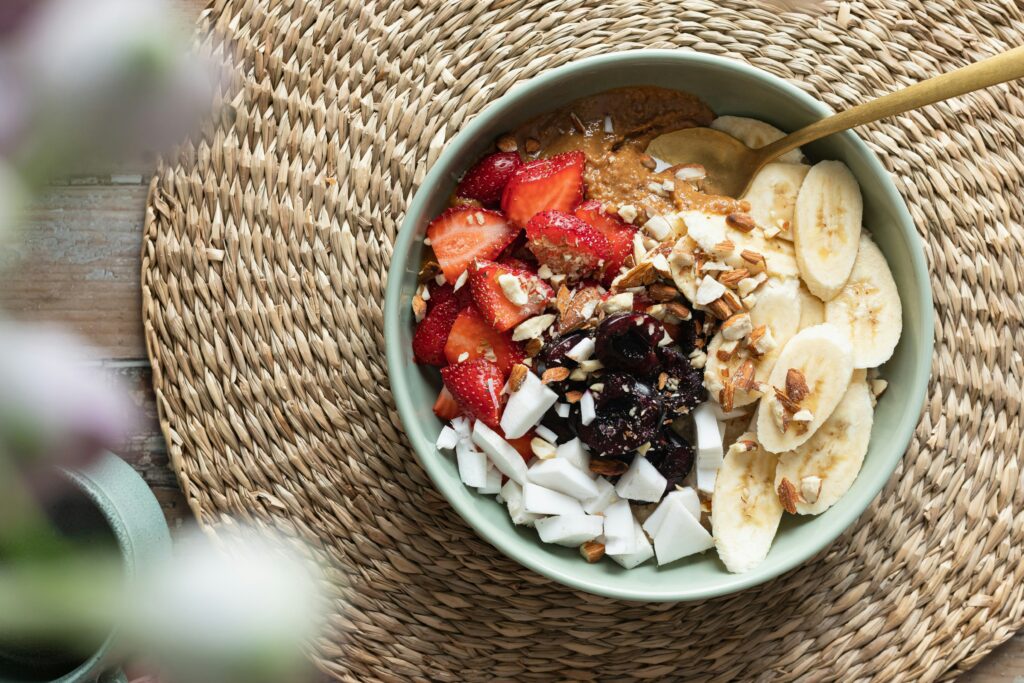
Fibre supports digestion and hormone clearance, but increasing it too quickly can worsen bloating. Add an extra portion of vegetables, beans or berries daily and let your gut adjust gently.
3. Support digestion with slower eating
Many women swallow excess air when eating quickly or while distracted. Taking a bit more time with meals supports digestion and reduces bloating without needing to cut anything out.
4. Drink enough water
Hydration supports digestion and prevents the constipation that often accompanies the luteal phase. Many people confuse water retention with dehydration; drinking more water often helps reduce bloating.
5. Include magnesium glycinate or citrate
Magnesium supports digestion in different ways. Magnesium glycinate helps calm the nervous system, which can ease hormone-related bloating and support better sleep, while magnesium citrate can be useful if slower digestion is contributing to bloating.
6. Avoid very salty meals in the luteal phase
You don’t need to avoid salt, but extremely salty meals can temporarily increase water retention right when you’re already more sensitive to it.
7. Add gentle movement
Walking, gentle yoga or stretching supports digestion and helps reduce abdominal heaviness. Intense workouts are not necessary and can sometimes exacerbate bloating.
8. Keep caffeine earlier in the day
Caffeine stimulates the gut but can worsen bloating when consumed later in the day, especially if cortisol is high.
9. Reduce carbonated drinks
Carbonation increases abdominal pressure. Reducing fizzy drinks during the luteal phase helps many women feel more comfortable.
10. Support your gut microbiome
A diverse, plant-rich diet supports digestion and reduces bloating long term. Aim for a variety of fruits, vegetables, legumes, nuts and seeds across the week.
11. Manage stress gently
Stress increases cortisol, which slows digestion. Short walks, daylight exposure and slower exhalations help calm the nervous system and reduce bloating naturally.
12. Don’t panic and restrict
Restriction often leads to low energy intake, stress, poorer digestion and more bloating. Supporting your body consistently works far better than cutting out entire food groups.
When hormonal bloating feels worse
Some cycles naturally feel more bloated than others because of:
- Stress
- Poor sleep
- Travel
- Changes in routine
- Lower nutrient intake
- Higher caffeine
- Changes in training
- Seasonal shifts
This variation is normal and doesn’t necessarily mean that something is wrong.
Long term benefits of reducing hormonal bloating gently
When you support digestion, blood sugar and stress, bloating usually becomes softer, less painful and less frequent. Over time, women often report feeling more comfortable, more predictable in their cycle and less anxious around food.
If you want deeper guidance, you can explore The Hormone Health Blueprint, join the Accountability Club or download the Hormone Health Starter Kit.
