Why You Feel Anxious Before Your Period (and What Actually Helps)
If you feel more anxious before your period, you are not imagining it. Many women experience a clear rise in worry or emotional sensitivity in the days before their period. Understanding why you feel anxious before your period helps you feel more grounded, and it gives you practical steps to support your cycle rather than feeling overwhelmed.
If you want a simple starting point, you can download my Hormone Health Starter Kit. Inside The Hormone Health Blueprint, I cover this in depth with tools you can use immediately.
What Makes PMS Anxiety Worse
Anxiety before your period is linked to changes in hormones, blood sugar, stress, sleep and digestion. These factors influence brain chemistry, nervous system regulation and emotional resilience. Below are the most common reasons this happens and what you can do to support your body.
Progesterone Was Lower This Cycle
Progesterone supports calmness, steadier mood and better sleep. If ovulation is delayed or irregular, progesterone can remain lower, which often results in feeling on edge, difficulty relaxing, increased worry or restlessness at night. This is one of the most common reasons anxiety increases before your period.
Your Blood Sugar Was Less Stable
Blood sugar and anxiety are closely connected. When meals are irregular or low in protein, blood sugar rises and falls quickly. This influences cortisol and can create a more anxious luteal phase. Signs include shakiness, mid-afternoon energy dips, cravings, irritability or feeling overwhelmed.
The NHS Eatwell Guide highlights how balanced meals support steadier energy, better concentration and a more stable mood.
Stress Was Higher This Month
Higher stress can influence ovulation, progesterone levels and inflammation. Many women notice stronger anxiety after long periods of intense work, limited rest or emotionally heavy weeks. Stress earlier in the cycle often makes the days before your period more difficult.
Research from the Office on Women’s Health notes that stress can significantly influence premenstrual symptoms, including anxiety.
Your Sleep Pattern Changed
Sleep affects cortisol, appetite hormones and inflammation. Even a few disrupted nights earlier in the cycle can show up as stronger anxiety before your period. Signs include waking earlier, difficulty falling asleep, feeling wired in the evening or greater emotional sensitivity.
Your Gut Needed More Support
Your gut helps clear metabolised hormones. If digestion slows down or fibre intake drops, oestrogen can circulate longer than intended. This can heighten PMS symptoms, including anxiety. Common signs include bloating, irregular bowel movements, breakouts or sluggishness after meals.
Alcohol Was Higher Than Usual
Alcohol disrupts sleep, gut health and blood sugar. Many people notice sharper anxiety in the luteal phase after evenings with more alcohol than usual.
What Helps Ease Anxiety Before Your Period
Simple changes can make a noticeable difference across the month.
Eat balanced meals regularly
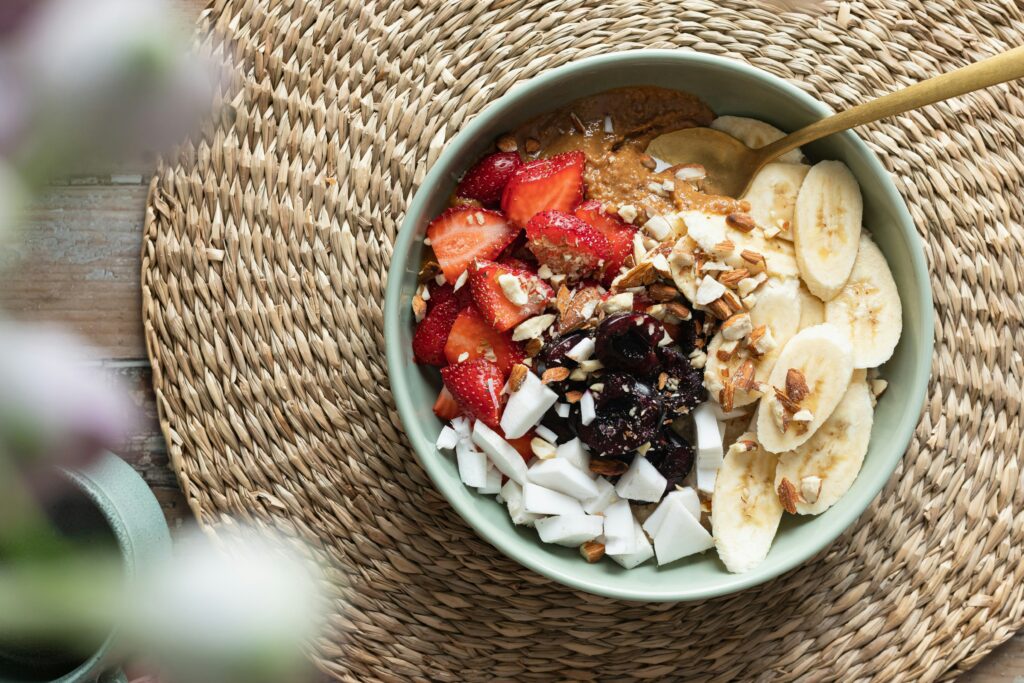
Combine protein, fibre, healthy fats and complex carbohydrates to support blood sugar.
Eat breakfast within a couple of hours of waking
Helps regulate cortisol and supports steadier energy.
Increase fibre intake
Improves digestion and hormone clearance.
Support stress recovery
Walking, morning light and slow breathing all support the nervous system.
Prioritise sleep
Aim for consistent bed and wake times.
Move your body
Walking, Pilates and strength training all support hormone regulation.
Track your cycle
Understanding your own patterns helps you anticipate and support symptoms.

When Anxiety Needs More Support
Stronger anxiety before your period is common but does not need to be endured long-term. If it affects your sleep, work, relationships or confidence, more structured support can make a meaningful difference.
Inside The Hormone Health Blueprint, I explain what your symptoms mean, how your hormones shift across the month and what actually helps. You can also download the Hormone Health Starter Kit if you prefer a simple starting point.
